### The Importance of a Mental Health Safety Plan
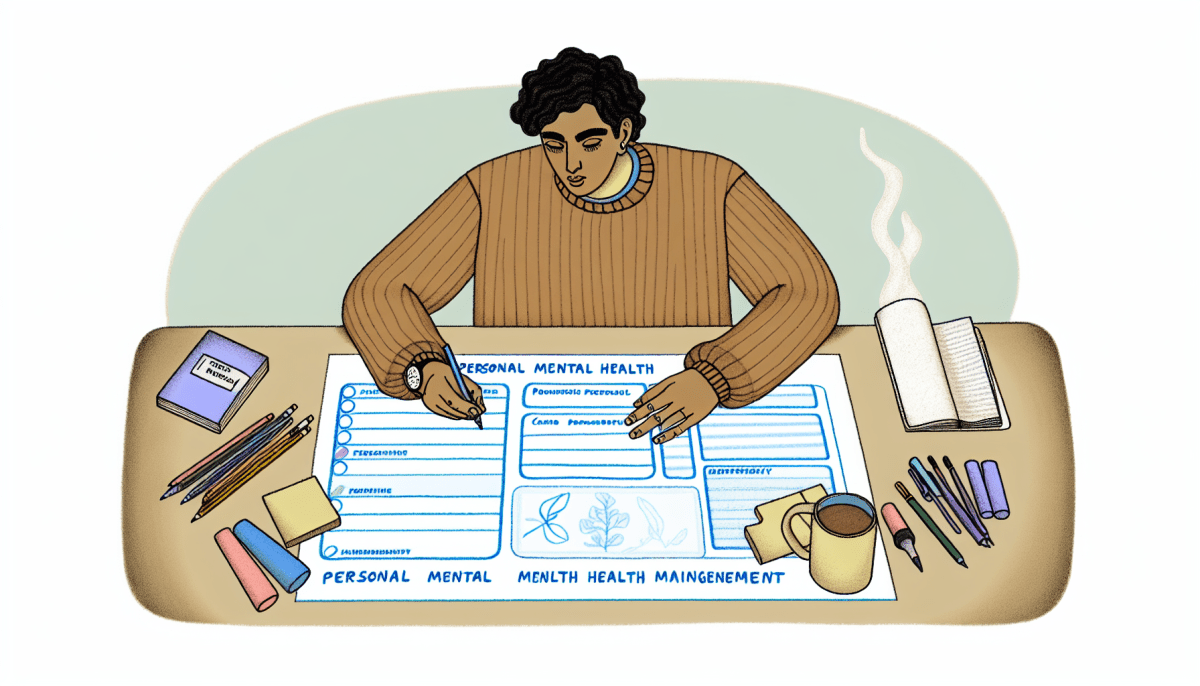
A mental health safety plan is a crucial tool for anyone experiencing mental health challenges. It serves as a personalized guide to help navigate moments of crisis, providing strategies and resources to maintain safety and well-being. This article explores the importance of having a mental health safety plan and offers a basic guide to creating one.
#### Why a Mental Health Safety Plan is Important
1. **Immediate Support**: A safety plan provides immediate steps to take when experiencing a mental health crisis, helping to reduce feelings of overwhelm and panic¹.
2. **Personalized Strategies**: It includes coping mechanisms tailored to the individual's needs and preferences, making it more effective than generic advice².
3. **Prevention of Harm**: By identifying warning signs and triggers, a safety plan can help prevent self-harm or suicidal behavior³.
4. **Empowerment**: Having a plan in place empowers individuals to take control of their mental health, fostering a sense of agency and resilience⁴.
5. **Resource Accessibility**: It ensures that important contacts and resources are easily accessible during a crisis, facilitating timely support⁵.
#### Basic Guide to Writing a Mental Health Safety Plan
Creating a mental health safety plan involves several key steps. Here’s a basic guide to help you get started:
1. **Identify Warning Signs**
- Recognize the thoughts, feelings, and behaviors that indicate a crisis may be developing. These could include changes in mood, increased anxiety, or withdrawal from social activities⁶.
2. **List Coping Strategies**
- Write down activities and techniques that help you feel calm and grounded. This might include deep breathing exercises, listening to music, or engaging in a hobby⁷.
3. **Identify Supportive Contacts**
- List people you can reach out to for support, such as friends, family members, or mental health professionals. Include their contact information for easy access⁸.
4. **Create a Safe Environment**
- Identify ways to make your environment safer. This could involve removing items that could be used for self-harm or finding a safe space where you feel secure.
5. **List Emergency Resources**
- Include contact information for crisis lines and emergency services. Here are some essential numbers:
- **988 Suicide & Crisis Lifeline**: Call or text 988 for 24/7 support.
- **National Suicide Prevention Lifeline**: 1-800-273-TALK (8255).
- **Crisis Text Line**: Text HOME to 741741.
- **Veterans Crisis Line**: Call 1-800-273-8255 and press 1, or text 838255.
- **Volunteers of America Crisis Line**: Call 1-800-584-3578 for 24/7 emotional support and crisis intervention.
6. **Outline Steps for Immediate Action**
- Detail the steps you will take if you start to feel overwhelmed. This might include contacting a trusted person, using a grounding technique, or going to a safe place.
7. **Review and Update Regularly**
- Regularly review and update your safety plan to ensure it remains relevant and effective. Life circumstances and coping strategies can change, so keeping the plan current is essential.
#### Conclusion
A mental health safety plan is a vital resource for managing crises and maintaining mental well-being. By identifying warning signs, listing coping strategies, and including supportive contacts and emergency resources, you can create a comprehensive plan tailored to your needs. Regularly reviewing and updating the plan ensures it remains effective, empowering you to navigate challenging moments with confidence and resilience.
